
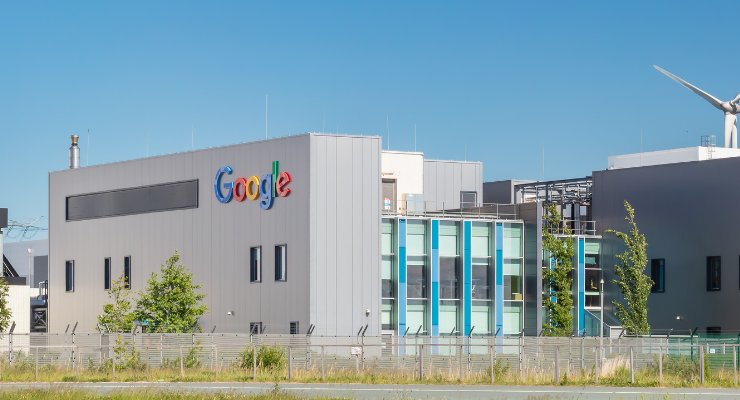
Data centers are transforming rural and suburban areas across North Carolina, driven by the explosive growth of AI, cloud computing, and digital infrastructure. In Vance County, a proposed data center by Natelli Investments near Henderson has sparked intense local debate after rezoning approval in April 2026. While proponents highlight economic benefits like tax revenue and jobs, residents worry about strains on resources and quality of life.
Here’s a balanced look at how such developments might affect housing prices, rents, and the local real estate market in Henderson and Vance County.Potential Positive Effects on Housing and Property ValuesData centers often bring infrastructure upgrades (roads, power, broadband) and increased tax revenue, which can indirectly support local services and make areas more attractive.
- Higher Property Values in Some Cases: Studies from high-data-center areas like Northern Virginia show homes closer to data centers sometimes sell for more, not less. This may stem from better infrastructure, job opportunities, and investor interest. A George Mason University analysis found that proximity correlated with higher sale prices across property types.
- Economic Boost: Data centers generate significant property taxes. In Vance County, this could help fund schools and services without raising residential taxes dramatically. Some areas redirect revenue to affordable housing funds.
- Population and Demand Growth: Construction and operations might attract workers and related businesses, increasing demand for housing and potentially pushing up rents and sale prices modestly.
Current Vance County trends (as of early 2026) show relatively affordable housing: median home prices around $168K–$185K, with some year-over-year dips but stable or slightly rising listing prices in Henderson.
Potential Negative or Challenging ImpactsMany residents near the proposed US 158 site express concerns that could indirectly pressure housing affordability and desirability.
- Rising Utility Costs: Data centers consume massive electricity and water. This often leads to higher rates for all customers as utilities upgrade infrastructure. In regions with heavy data center activity, residential bills have risen noticeably. Higher ongoing costs (electricity, water) can reduce disposable income and make homes less affordable, even if sale prices hold steady.
wri.org
- Quality of Life Concerns: Noise from cooling fans/generators, increased traffic during construction, and visual/industrial changes can deter some buyers. Petitions and opposition in Vance County highlight proximity to homes, schools, and neighborhoods. If perceived negatively, this might slow sales or soften prices for the closest properties.
wral.com
- Pressure on Rental Market: If worker influx or economic activity grows, rents could rise. Vance County already has modest rental prices (around $875–$1,000 median in some reports), but new demand without corresponding supply growth could change that. Conversely, if the area feels less residential, some landlords might see softer demand.
realtor.com
- Property Taxes and Affordability: Increased commercial tax base might stabilize or lower residential tax rates, but reassessments from overall growth could still raise bills for homeowners. This hits fixed-income residents hardest and could price out first-time buyers.
Local Context in Henderson and Vance CountyVance County is more rural and affordable than booming areas like the Triangle. The Natelli project (40-acre Light Industrial rezoning) is still in early stages—no full construction details yet—but opposition has been vocal over water use, energy strain, and lack of transparency.
Housing supply in the area isn’t surging rapidly, so any population or economic ripple effects could have outsized impacts. Broader NC trends show data center opposition growing in rural counties due to similar concerns.What This Means for Residents, Buyers, and Renters
- Homeowners: Monitor property values closely. Proximity might bring short-term gains from development buzz but long-term risks from nuisances or bills. Noise mitigation, setbacks, and community agreements can make a big difference.
- Buyers/Renters: Look beyond initial affordability—factor in potential utility hikes and quality-of-life changes. Areas farther from the site might remain quieter and more stable.
- The Broader Picture: Data centers create few ongoing local jobs relative to their size (often automated). Benefits are mostly fiscal; costs are borne daily by residents.
Bottom Line: Data centers can be a double-edged sword for housing markets. They often support higher property values through growth and revenue but risk higher living costs and reduced appeal for residential use. In Henderson and Vance County, the outcome will depend on how the project develops, local regulations (e.g., noise/water rules), and whether benefits are shared equitably.What do you think? Share your experiences or concerns in the comments. If you’re a local realtor, resident, or official, we’d love your input.Sources include local reporting from WRAL, Henderson Dispatch, and broader studies on data center impacts. This is for informational purposes—consult local experts for personalized advice.
Leave a Reply