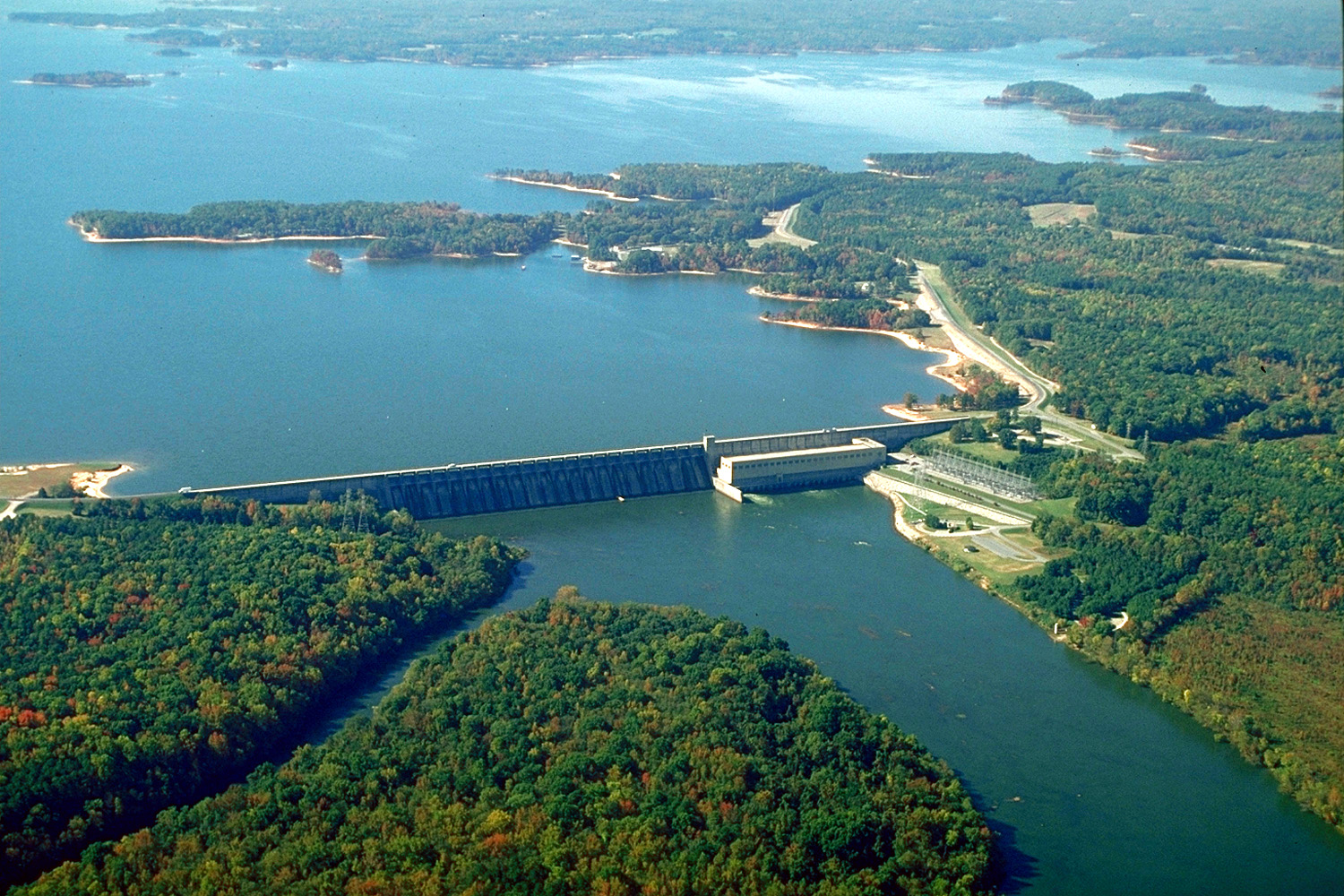
Kerr Lake – also known as John H. Kerr Reservoir or Buggs Island Lake – is a beloved 50,000-acre reservoir straddling the Virginia-North Carolina border. It supports recreation, fishing, boating, hydropower, and drinking water for thousands of residents in counties like Mecklenburg, Vance, Franklin, Warren, and Granville.In 2026, the region is at a crossroads. Proposals for new data centers in nearby Vance County, NC, and Franklin County, NC’s request for a major water reallocation from Kerr Lake (15.7 million gallons per day) have sparked intense local debate. Data centers require enormous amounts of electricity and water for cooling. A single facility using evaporative cooling can consume 300,000 to 1 million gallons per day — water that evaporates and does not return to the watershed.Here’s a balanced look at the potential pros and cons of data center development on Kerr Lake and the surrounding communities.The Potential Pros (Economic and Community Benefits)Data centers have brought significant investment to rural Virginia and North Carolina in recent years, and supporters argue they could do the same here:
- Job creation and tax revenue — Construction phases create hundreds of temporary jobs. Once operational, facilities generate property tax revenue (or payments in lieu of taxes) that can fund schools, roads, and emergency services. In other parts of Virginia, data centers have become major contributors to local budgets.
- Economic revitalization — Rural counties like Mecklenburg (home to existing Microsoft data centers in Boydton and Clarksville) have seen infrastructure upgrades and renewed interest from tech companies. This could help offset declines in traditional industries like tobacco and textiles.
- Infrastructure improvements — New developments often require upgraded power lines, roads, and water systems — upgrades that can benefit the broader community long-term.
- Support for the digital economy — Data centers power cloud computing, AI, and online services that millions rely on daily. Proponents say responsible development keeps the U.S. competitive while bringing high-tech jobs to the Southside.
Existing Microsoft facilities in Mecklenburg County demonstrate that data centers can coexist with the region when planned thoughtfully.The Potential Cons (Resource Strain and Community Concerns)Opponents — including resident groups, lakefront property owners, and officials in neighboring counties — highlight serious risks, especially regarding water and power:
- Massive water consumption — Evaporative cooling systems permanently remove hundreds of thousands to millions of gallons daily from the watershed. The Kerr Lake Regional Water System currently draws about 6.9 million gallons per day. Franklin County’s 15.7 MGD request (to meet projected developer demand) plus potential data center usage could significantly increase total draw. Critics note that cumulative impacts on the lake are not yet fully modeled by federal agencies.
- Lower lake levels and recreation impacts — Even small drops in water levels can affect boat ramps, beaches, fishing access, and property values. Kerr Lake is a major economic driver through tourism, marinas, and second homes. Residents worry about long-term harm to wildlife, water quality, and the lake’s appeal.
- Strain on hydropower and the electric grid — Kerr Dam generates 227 MW of hydroelectric power. Increased electricity demand from data centers (which can require hundreds of megawatts each) could raise utility rates for everyone and affect the dam’s operations. Many facilities run 24/7 with noisy backup generators.
- Noise, light pollution, and quality of life — Cooling towers and diesel generators can produce constant noise (often over 90 decibels) and light pollution, affecting nearby homes, farms, and churches.
- Limited long-term local jobs — While construction brings short-term work, operational data centers often employ only 50–100 people per large facility. Many communities feel the resource costs outweigh the permanent economic gains, especially if companies receive tax incentives or abatements.
- Environmental and sustainability questions — Water lost to evaporation does not return to the lake or rivers. In drought-prone periods, this could exacerbate shortages. Broader concerns include higher regional energy demand (potentially increasing carbon emissions if not met with renewables) and the lack of strong local oversight on these high-impact facilities.
Public meetings held by the U.S. Army Corps of Engineers in spring 2026 showed strong opposition from Warren, Vance, and Granville county residents. A scoping study is underway to evaluate impacts on water levels, hydropower, recreation, and other authorized purposes of the reservoir.A Balanced Path Forward?Data centers are not inherently “bad” — they are essential to modern life. However, in a water-sensitive, recreation-focused area like Kerr Lake, the scale and location matter enormously.Key questions for the community and decision-makers:
- Can data centers use closed-loop or more efficient cooling systems to minimize water loss?
- Will cumulative water and power demands be properly studied before approvals?
- Are the long-term economic benefits worth the potential impacts on lake levels and quality of life?
The U.S. Army Corps of Engineers’ ongoing environmental assessment for Franklin County’s water request (with a draft expected in 2027) will be critical. Residents are encouraged to submit comments and stay engaged.What do you think? Should the region welcome more data centers near Kerr Lake, or prioritize protecting the lake’s natural and recreational value? Share your thoughts in the comments below.Sources include public statements from the U.S. Army Corps of Engineers, local news reports from Henderson Dispatch, Lake Gaston Gazette-Observer, and citizen research from Henderson-Vance FYI. This post reflects publicly available information as of May 2026 and is intended to foster informed discussion.
Leave a Reply